The difference
Most AI tools flatter you. Ours can't.
Storskarvia's fact-checker is built to do one thing and refuse the rest: return what's wrong, with evidence, or say nothing's wrong. No praise channel. No rewrite. No confident nonsense.
Try it on a chapter See pricingSee it for novels → · Try the free anachronism checker, no account needed
Findings only. No flattery.
A defect card with evidence and a citation, or one quiet line: "No issues found."
It structurally cannot praise
Other tools spend half their output congratulating you. Storskarvia's checker returns a schema-constrained list of defects: quote, problem, evidence, source. There is no field for compliments, so it never wastes your time with them.
Every finding faces a skeptic
A candidate finding only reaches you if it survives a second reviewer whose entire job is to refute it. Weak-evidence flags die in that pass. That is why a Storskarvia flag is worth stopping for.
Grounded, with receipts
Findings are checked against real sources and carry citations you can follow, not a model's vague recollection. When it says the ZIP code didn't exist yet, it shows you why.
Two sources, not one, before it's sure
Storskarvia searches across independent sources (not just one encyclopedia) and calibrates a confidence score by how many agree. A single source caps the confidence; two independent ones raise it. Every finding wears that number, so you know what's settled and what to double-check.
It remembers the whole draft
Beyond outside facts, it tracks your own: the eye colour, the timeline, the prop that changed hands. Contradictions come back as paired quotes: chapter two beside chapter fourteen.
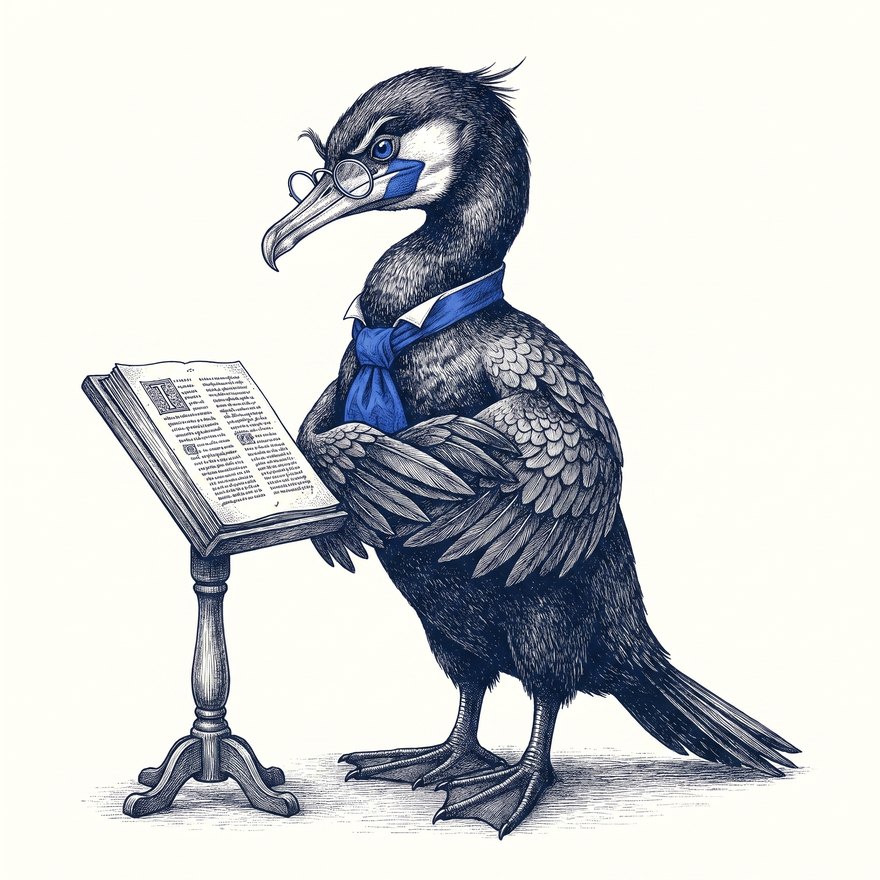
The name fits: storskarv is the great cormorant, from Old Norse skarfr, the working bird that dives for the catch and brings it back. It does the retrieving. The writing stays yours.
See what a third read missed
Start free and run the checker on a chapter you thought was clean.